
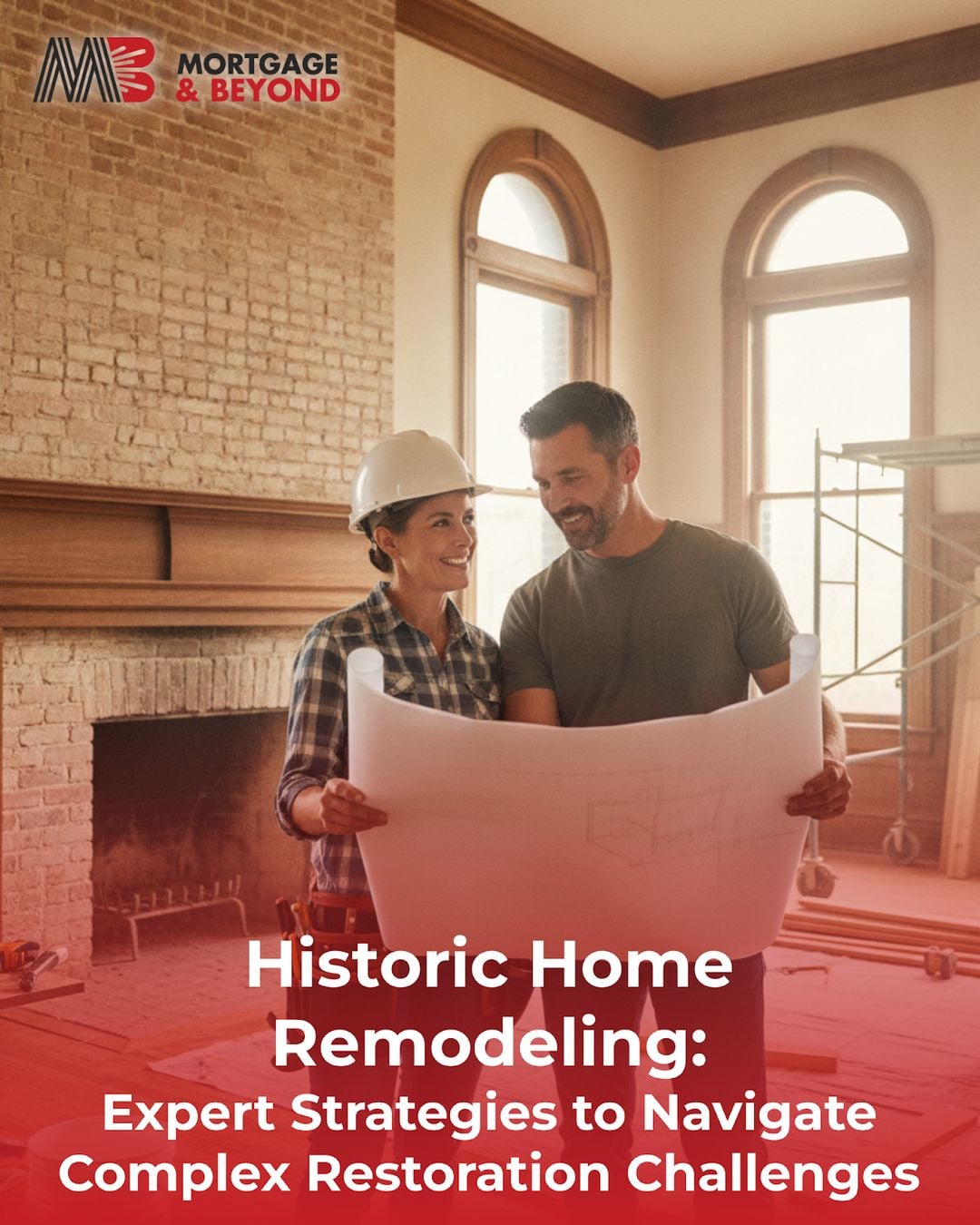

Historic Home Remodeling: Expert Strategies to Navigate Complex Restoration Challenges
Remodeling historic homes can be an exciting journey into the past, but it also comes with its fair share of challenges. Preserving the beauty of a bygone era requires meticulous planning and expert skills to avoid damaging valuable heritage. Understanding these complexities is the first step toward successfully restoring a piece of history.
Understanding the Challenges of Historic Home Remodeling
Structural Issues
Older homes may have hidden structural problems due to age and outdated construction techniques. Issues include weakened foundations, rotting wood, or deteriorating materials. It’s crucial to address these problems to ensure the safety and longevity of the home.
Preservation Requirements
When remodeling, preserving the original design and materials is often a requirement. This means any updates must keep the character of the house intact. Sometimes, laws and regulations might dictate what alterations or repairs are allowable, which can complicate the project.
High Costs
Restoration projects can become expensive due to specialized labor and the need for specific, often rare materials. Budgeting effectively and prioritizing repairs can help manage costs while still achieving a quality renovation.
Outdated Systems
Many historic homes have outdated electrical, plumbing, and heating systems that are inefficient or unsafe by today’s standards. Upgrading these systems is necessary but must be done carefully to preserve the home’s integrity.
Strategies for Successful Restoration
Conduct Thorough Research
Before starting, research the home’s history, architectural style, and any previous renovations. Gathering this information is crucial to understanding what materials and methods to use for authentic restoration.
Engage Experts
Hiring skilled professionals with experience in historic restoration is essential. Their expertise ensures that your project respects the historical significance of the building while bringing modern functionality.
- Architects specializing in historic homes
- Contractors with a strong portfolio in restoration projects
- Consultants familiar with local renovation regulations
Create a Detailed Plan
A detailed restoration plan, including timelines, budgets, and materials, can help organize the process. Breaking the project into phases allows for managing tasks more efficiently and adjusting plans as needed.
Use Period-Appropriate Materials
Whenever possible, use materials that match the original construction. Doing so enhances authenticity and can actually increase the home’s value as a historical property.
Incorporate Modern Technology Sensibly
While maintaining the original look, you can thoughtfully integrate modern conveniences such as energy-efficient windows or updated electrical systems. This balance offers comfort without compromising authenticity.
Navigating Restoration Regulations
Local Regulations
Understand local historical preservation regulations that may affect your project. These laws can govern everything from the paint color to the types of windows you can install.
Permitting Process
- Research local building codes specific to historic structures.
- Submit detailed plans for approval by relevant historical societies or city councils.
- Schedule inspections to ensure compliance at different stages.
Financing the Restoration
Funding a restoration can be daunting, but there are options that can make it easier.
Grants and Incentives
Some governments and organizations offer grants and tax incentives for preserving historic homes. Researching these opportunities can significantly offload financial burdens.
Renovation Loans
Consider options like FHA 203k or Homestyle Renovation Loans designed specifically for major renovations, including historic properties. Discussing these with a mortgage expert can reveal suitable solutions tailored to your needs.
Community and Environmental Impact
Restoring a historic home contributes more than just to the homeowner; it enhances community heritage and promotes environmental sustainability. Preserving existing structures reduces the need for new construction materials, thereby conserving resources.
Getting involved with local historical societies can provide more insights and support. These groups often offer advice and may even assist in acquiring necessary approvals and documentation.
Finishing Touches
With structural and systematic elements addressed, bring your vision to life with period-appropriate decor. Attention to such details can end a project beautifully, making the home not only historically accurate but also enjoyable to live in.
Historic home remodeling, though complex, ultimately blends the excitement of new possibilities with the satisfaction of preserving the past. By approaching the process strategically, you can triumph over the challenges and create a home that honors its history while providing modern comfort.