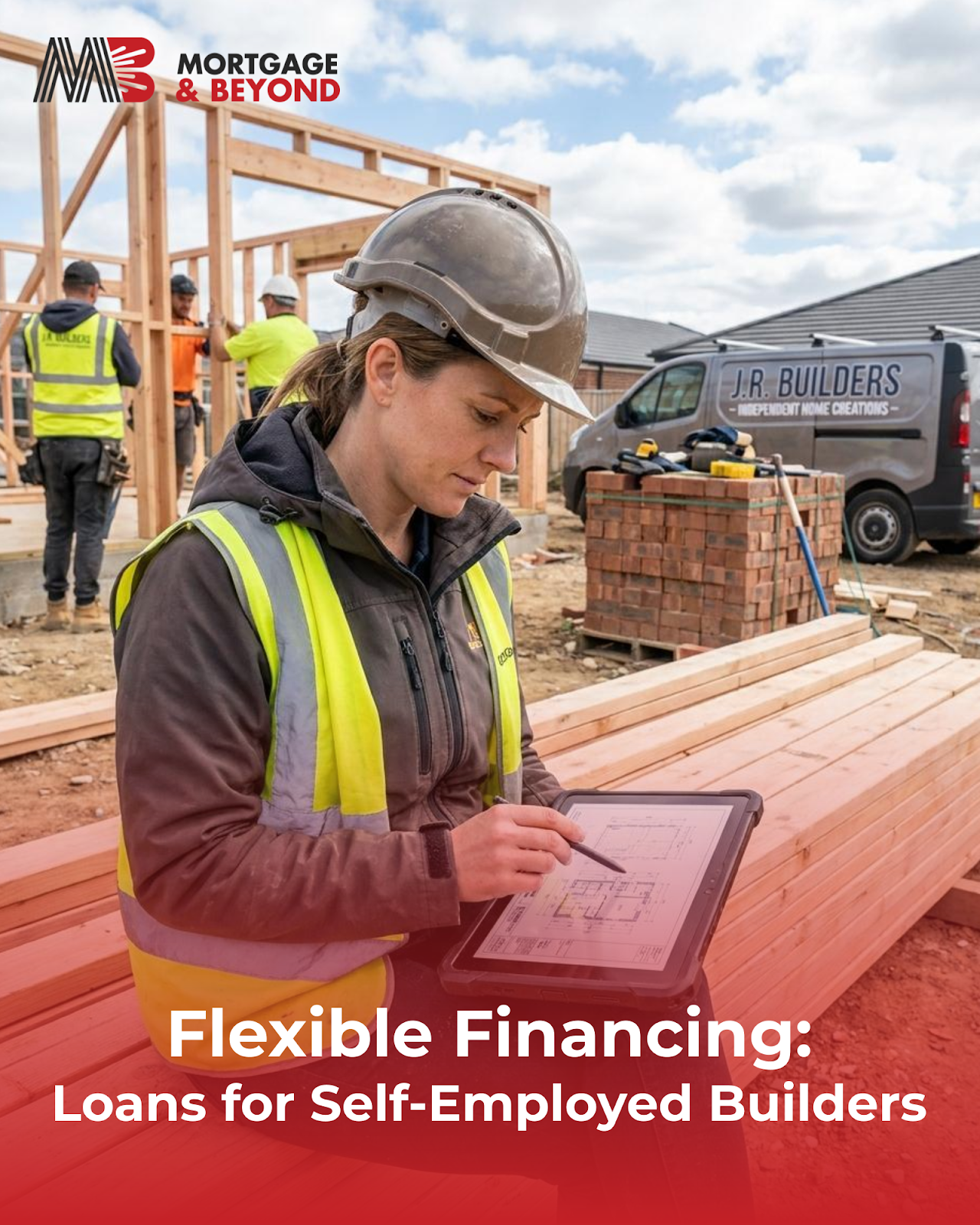

Flexible Financing: Loans for Self-Employed Builders
Building a home is a dream many Texans hold dear, especially those who choose to craft their own space as self-employed builders. However, finding the right financing can be a puzzle. Unlike traditional jobs, where paychecks are predictable, self-employed builders face unique challenges when it comes to securing loans. But don’t worry! There are flexible financing options designed just for you.
The Challenges of Being a Self-Employed Builder
For many self-employed builders, the freedom to work on their own terms is both exciting and rewarding. You’re your own boss, setting your own schedule and choosing the projects that matter most to you. Yet, this freedom comes with its own set of hurdles.
One of the main challenges is demonstrating a steady income. While traditional employees can show regular pay stubs, self-employed builders often deal with fluctuating earnings. This can make it hard to prove to lenders that you’re a reliable borrower.
Another frustration is the paperwork. Self-employed individuals might need to present more documents, like tax returns, profit and loss statements, and contracts, to illustrate their financial situation. This can feel overwhelming and time-consuming.
Understanding Flexible Financing
So, what is flexible financing? It’s a type of loan designed to accommodate unique income situations like those of self-employed builders. These loans take into account the varied ways you earn money and help tailor a solution that fits your needs.
Flexible financing options often offer more lenient requirements compared to traditional loans. This means you might not need to provide as much documentation or have a perfect credit score to qualify.
Types of Loans for Self-Employed Builders
1. Bank Statement Loans
Instead of using W-2 forms or pay stubs, bank statement loans rely on your bank deposits to determine your income. Lenders look at your bank statements over a period of time to gauge your earnings and assess your ability to repay the loan.
2. Stated Income Loans
These loans let you state your income without having to provide proof with documents. While they offer flexibility, they might come with higher interest rates since they pose a greater risk to lenders.
3. Asset-Based Loans
If you have significant assets, such as property or investments, these can be used as collateral to secure a loan. Lenders focus more on the value of your assets rather than your income.
Benefits of Flexible Financing
Flexible financing brings several advantages for self-employed builders. First, it recognizes your unique income structure, allowing you to access loans that might otherwise be out of reach.
Second, it can simplify the process of getting approved, reducing the stress and time involved in providing extensive paperwork. This way, you can focus on what you do best—building homes.
Finally, flexible financing can help you take advantage of opportunities faster. Whether it’s purchasing land, starting a new project, or expanding your business, having the right loan can make all the difference.
How to Apply for a Flexible Loan
Applying for a flexible loan starts with gathering the right documents. Even though these loans are more lenient, having organized financial records can speed up the process.
Here’s a simple checklist:
- Recent bank statements
- Tax returns from the past two years
- Profit and loss statements
- List of assets and liabilities
Next, research lenders who specialize in loans for self-employed individuals. Look for those who understand the unique needs of builders in Texas, like Mortgage & Beyond.
Once you’ve found a potential lender, schedule a consultation. This is your chance to discuss your financial situation and explore the best loan options available to you.
Tips for Success
To increase your chances of securing a flexible loan, keep these tips in mind:
- Maintain organized financial records. Regularly update your income and expenses to present a clear financial picture.
- Build a strong credit history. Pay bills on time and manage debts responsibly to improve your credit score.
- Be transparent. Clearly communicate your financial situation and future plans to your lender.
- Stay informed. Keep up with market trends and interest rates to know the best time to apply for a loan.
Conclusion
Flexible financing opens doors for self-employed builders, turning challenges into opportunities. By understanding your unique needs and finding the right lender, you can secure the financial support needed to bring your home-building dreams to life. Remember, it’s not just about finding a loan—it’s about finding the right loan that fits your lifestyle and goals.
Schedule a Free Consultation