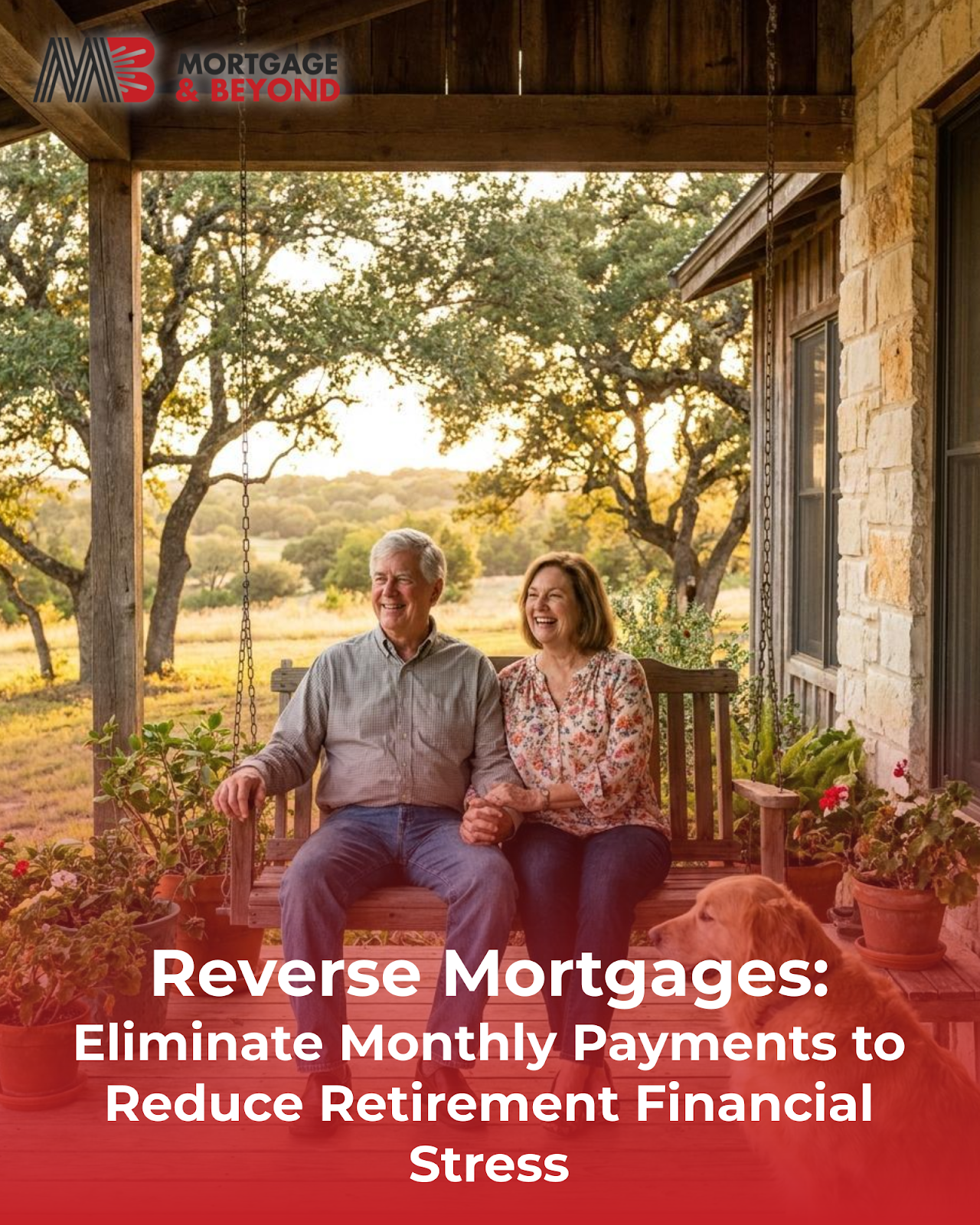

Reverse Mortgages: Eliminate Monthly Payments to Reduce Retirement Financial Stress
Retirement should be a time to relax and enjoy life, but for many, financial stress can get in the way. Monthly mortgage payments can be a big burden for retirees living on a fixed income. That’s where reverse mortgages come in, offering a way to eliminate those payments and ease financial worries.
Understanding the Financial Stress of Retirement
Many people look forward to retirement as a time of freedom and relaxation. However, financial challenges can sometimes make this stage of life stressful. With limited income, retirees have to carefully manage their expenses to make sure their savings last.
Monthly mortgage payments can be one of the biggest expenses for retirees. Having to make these payments on a fixed income can be difficult, leading to stress and worry about money. This is especially true if unexpected costs come up, like medical bills or home repairs.
What is a Reverse Mortgage?
A reverse mortgage is a special type of loan for homeowners who are 62 years old or older. With a reverse mortgage, you can borrow money against the value of your home. The best part is, you don’t have to make monthly payments like you do with a regular mortgage.
Instead, the loan is paid back when you move out of the house, sell it, or pass away. This can be a great option for retirees who want to reduce their monthly expenses and have more financial freedom.
How Does a Reverse Mortgage Work?
With a reverse mortgage, you can receive the money in different ways. You might choose to get a lump sum all at once, regular monthly payments, or a line of credit that you can use when you need it. This flexibility allows you to choose what works best for your situation.
Who Can Benefit from a Reverse Mortgage?
Reverse mortgages can be helpful for many retirees, especially those who want to reduce their monthly expenses. They are also a good option for someone who has a lot of equity in their home but doesn’t have enough income to cover their bills.
The Benefits of a Reverse Mortgage
Eliminating Monthly Payments
One of the biggest benefits of a reverse mortgage is that it eliminates your monthly mortgage payments. This can free up your budget, allowing you to use your money for other important things, like travel, hobbies, or medical care.
Staying in Your Home
With a reverse mortgage, you can stay in your home while receiving the benefits of the loan. This means you don’t have to worry about moving or finding a new place to live, which can be a big relief for many retirees.
Flexibility in How You Receive Funds
Reverse mortgages offer flexibility in how you receive your funds. You can choose the option that best fits your needs, whether that’s a lump sum, monthly payments, or a line of credit. This can help you manage your money more effectively and ensure you have what you need when you need it.
Considerations Before Getting a Reverse Mortgage
While reverse mortgages can be a great option for some, they aren’t the right choice for everyone. It’s important to consider all aspects of this financial tool before making a decision.
Costs and Fees
Reverse mortgages come with costs and fees, just like other types of loans. These can include origination fees, closing costs, and servicing fees. It’s important to understand these costs and how they will affect your finances.
Impact on Inheritance
A reverse mortgage can affect what you leave behind for your heirs. Because the loan is paid back when the home is sold, it may reduce the amount of money your heirs receive. It’s important to discuss this with your family and consider how it fits into your overall financial plan.
Eligibility Requirements
Not everyone qualifies for a reverse mortgage. You must be at least 62 years old and have enough equity in your home. The house must also be your primary residence, and you need to meet certain financial requirements.
Steps to Get a Reverse Mortgage
If you decide that a reverse mortgage is right for you, there are several steps to take:
- Research and Learn: Understand how reverse mortgages work and consider the pros and cons.
- Consult with a Counselor: Speak with a HUD-approved reverse mortgage counselor to get personalized advice.
- Apply for the Loan: Choose a lender and apply for the reverse mortgage.
- Get Your Home Appraised: Your home will need an appraisal to determine how much you can borrow.
- Close the Loan: Once approved, you’ll close the loan and decide how to receive your funds.
Conclusion
Reverse mortgages can be a valuable tool for reducing financial stress in retirement. By eliminating monthly payments, you can free up your budget and enjoy your retirement more fully. However, it’s important to consider all aspects of a reverse mortgage and consult with experts to ensure it’s the right choice for you. With careful planning and the right guidance, a reverse mortgage could help you achieve the financial peace of mind you deserve.
For more information on reverse mortgages, check out HUD’s Reverse Mortgage Guide.
Schedule a Free Consultation