
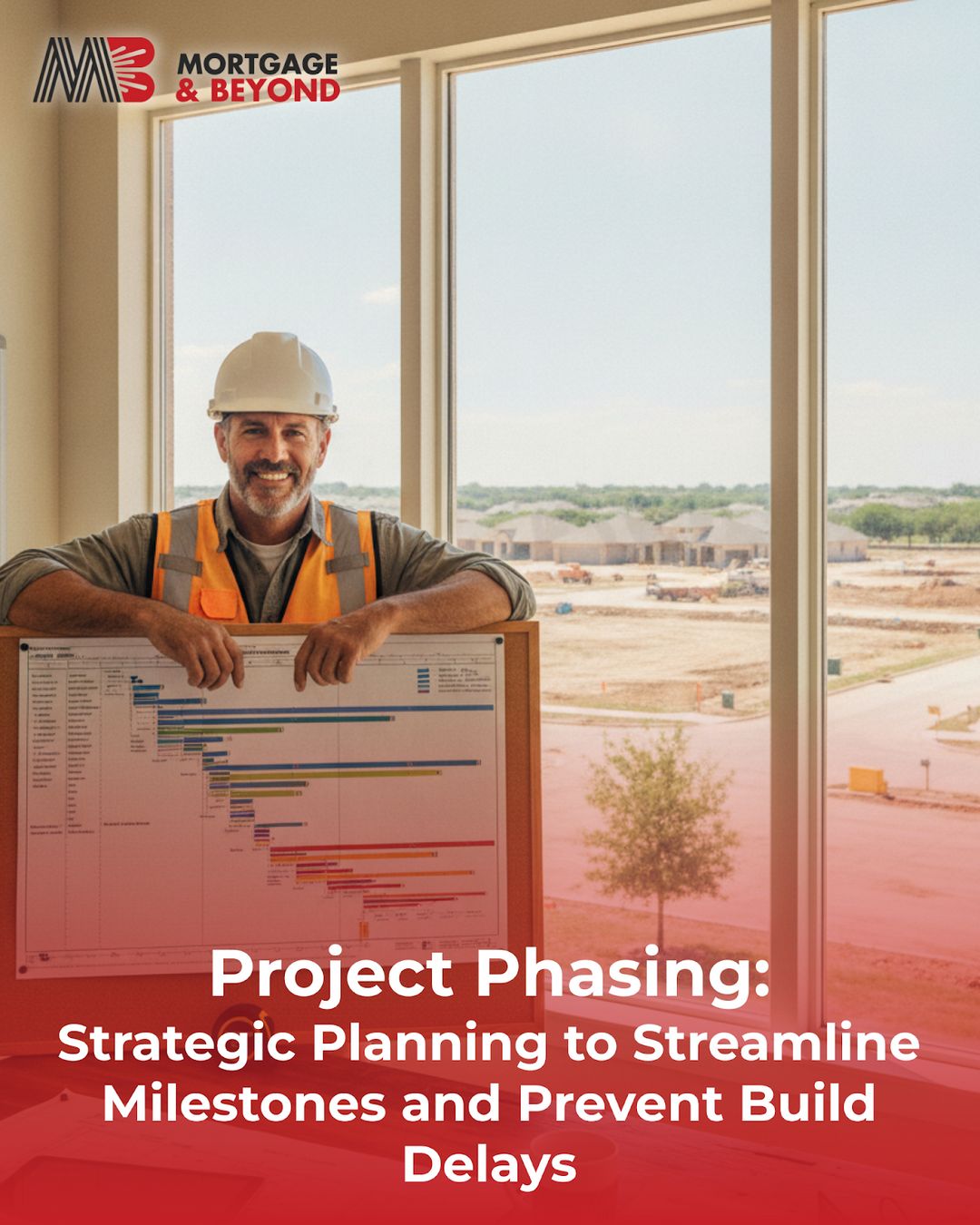

Project Phasing: Strategic Planning to Streamline Milestones and Prevent Build Delays
Building a house is an exciting adventure but can also be a pretty complex project with lots of steps. To make sure everything goes smoothly, builders use something called “Project Phasing.” This is a way to plan step-by-step, so the whole construction process is organized and efficient. Let’s take a closer look at how this works and why it’s important.
Understanding Project Phasing
Think of project phasing like following a recipe to bake a cake. You have to do things in a specific order—like mixing ingredients before baking—to get the best results. In construction, project phasing helps builders know what step comes next and ensures everyone is on the same page.
How Project Phasing Works
Project phasing is broken down into several stages. Each stage is important to make sure nothing is missed:
- Pre-Construction: This step involves planning and getting permits. It’s like gathering ingredients for a cake.
- Foundation: Builders lay the foundation, which is like setting the base for your project.
- Framing: This is building the skeleton of the house—kind of like shaping the cake batter in a pan.
- Installation: The basic systems are installed here, such as plumbing and electricity. These are your key components, just like adding baking powder or sugar in a recipe.
- Finishing: This is when things start to come together. Walls, floors, and ceilings are completed, just like decorating a cake and adding the final touches.
- Inspection: Before moving in, experts check everything to ensure safety—like taste-testing a cake for quality.
Each phase is crucial because it builds on the previous one, and skipping a step could lead to problems later on!
Common Challenges Faced Without Project Phasing
Without clear project phasing, builders can run into all sorts of trouble. Let’s explore some of the challenges they might face:
- Confusion and Chaos: Without a step-by-step plan, workers might not know what to do, leading to confusion and chaos.
- Delays: If tasks are not organized, builders might face interruptions, causing unnecessary delays in the project timeline.
- Increased Costs: Mistakes can lead to expensive fixes, making the overall project cost more than planned.
- Safety Risks: Skipping parts of the process could make the building unsafe for people to live in once it’s finished.
These problems can make the building process stressful and cause immense frustration for both the builders and future homeowners.
Benefits of Strategic Planning through Project Phasing
By using project phasing, builders can enjoy a smoother, more successful construction experience. Here’s how strategic planning helps:
Time Management
Project phasing ensures that each task is completed in the right order and on schedule. Builders can predict when each phase is needed and plan resources accordingly. This helps prevent bottlenecks and delays.
Budget Control
By planning and phasing projects, builders figure out costs for each step, helping them keep track of spending. Staying within budget becomes easier, and surprises are minimized, saving money in the long run.
Improved Quality
When projects are organized, builders have more time and resources to focus on quality, resulting in better structures and satisfied clients. A planned project often leads to higher safety standards and fewer defects.
Steps for Successful Project Phasing
Now that we know the benefits, let’s dive into how builders can successfully implement project phasing:
- Set Clear Goals: Begin by outlining the project’s main goals, such as timeline, budget, and end result. Every team member should understand these clearly.
- Break Down Tasks: Identify all tasks needed to complete the project. Each task needs a clear start and end point.
- Create a Timeline: Develop a master schedule that outlines when each task will occur. Use this as a roadmap for the project.
- Regular Check-Ins: Schedule regular meetings to track progress and address any issues. This keeps the project moving smoothly.
- Adjust as Needed: Be flexible! Sometimes unexpected things happen, so be ready to adjust plans while keeping the end goals in mind.
By following these steps, builders can stay organized and focus on delivering quality buildings without the stress of delays and rising costs.
Conclusion
Project phasing is like having a magical map guiding builders through the construction jungle. It keeps teams organized, on budget, and on time. By understanding the importance of each step and being prepared for challenges, builders can ensure successful projects that meet the needs of homebuyers. This strategic planning not only streamlines the build process but also helps create homes that are safe, beautiful, and delivered with confidence.
By continuously learning about and applying methods like project phasing, builders can achieve efficient operations and happy homeowners, one phased step at a time. Remember, a well-constructed project ensures a satisfied community and continued growth in homebuilding. Happy building!