
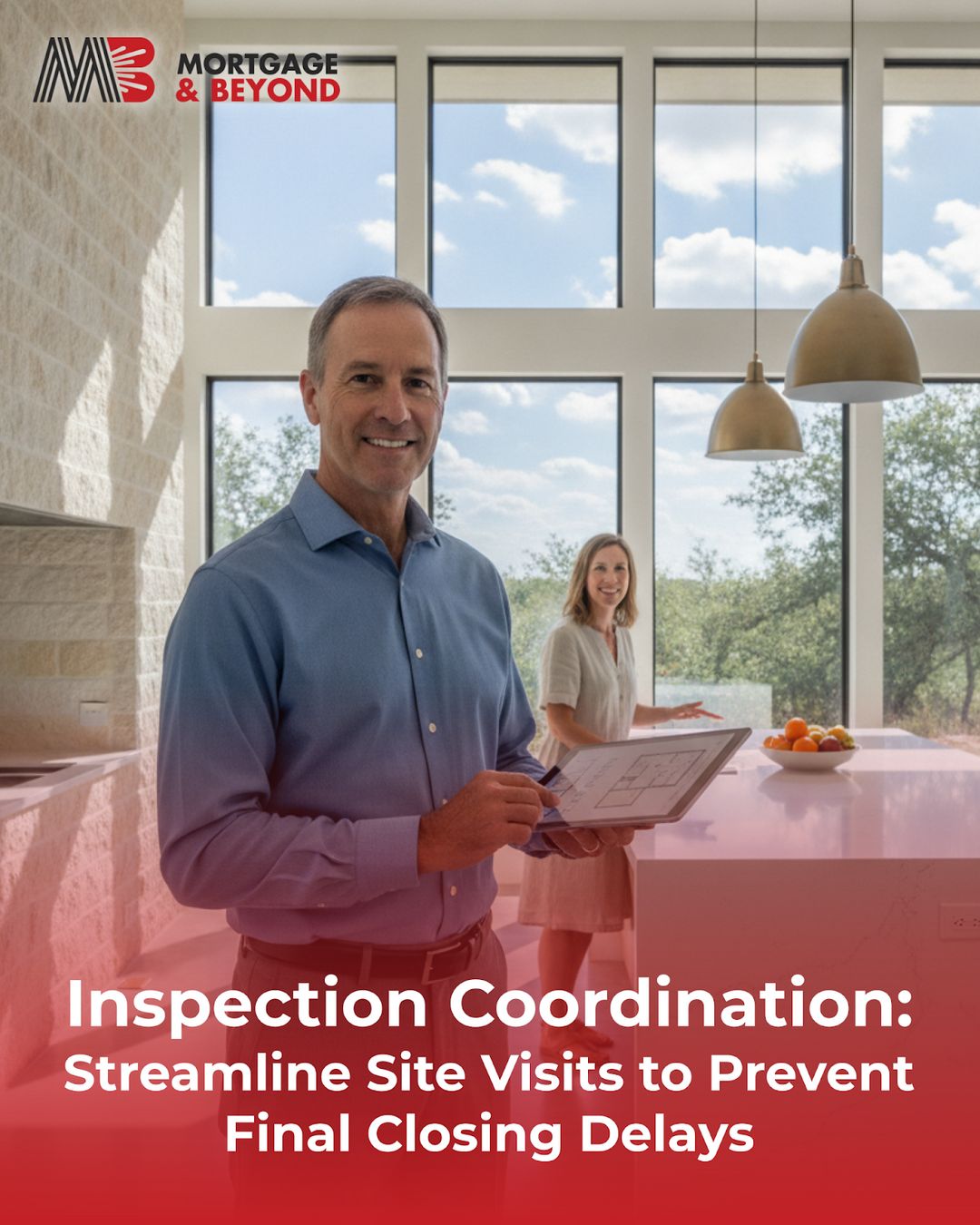

Inspection Coordination: Streamline Site Visits to Prevent Final Closing Delays
Imagine you are building a house, and everything is almost ready. But wait! The final closing might get delayed because someone missed an inspection. That’s a problem no one wants. For home builders in Texas, making sure that all the inspections are done on time is crucial. That’s where inspection coordination comes into play. It’s like having a special system to make sure every check is done, and done right.
When you have a new house to build, it’s not just about bricks and windows. There are rules to follow and checks to make sure everything is safe and sound. Missing even one inspection can stop a project in its tracks right before hitting the finish line.
Why Final Closing Delays Happen
Delays, especially at the final stages of a building project, can be like missing the last piece of a puzzle. They happen because the necessary inspections weren’t completed as planned. This can lead to a bunch of complications for builders, homeowners, and other stakeholders.
Here’s a list of frustrations that builders face when inspections are not coordinated properly:
- Last-minute surprises: Finding out only at the end that some inspections need to be redone or were never done can throw everyone off the schedule.
- Increased costs: More time delayed often means more money spent on labor and holding costs.
- Anxious homeowners: The longer it takes to close, the more anxious and frustrated the future homeowners get.
- Tangled schedules: Trying to reschedule with inspectors and contractors can be like trying to solve a tricky jigsaw puzzle without all the pieces.
Understanding Inspection Coordination
Inspection coordination is like having a roadmap or a to-do list that everyone follows. It ensures all inspections are scheduled and done on time. It helps builders to know all the things they need to check and when to check them.
An inspection coordinator might use software tools to track inspection dates and checklists, making it easy for everyone to see what’s done and what needs more work. This systematic approach ensures there’s no “oops, we forgot that one” moment!
Steps to Effective Inspection Coordination
Below is a simple numbered list that explains the steps one could take as part of an inspection coordination plan:
- Plan Early: From the beginning of the project, identify all necessary inspections required by local laws and safety regulations.
- Create a Schedule: Lay out when each inspection should take place based on the construction timeline.
- Assign Responsibilities: Know who is responsible for what: builders, contractors, and inspectors should all have clear roles.
- Track Progress: Use an online system or files to keep track of completed inspections. Mark off what’s done and what’s upcoming.
- Communicate: Keep an open line of dialogue with everyone involved, including regular meetings to discuss progress and upcoming inspections.
- Flexibility: Be ready to adjust schedules if something changes, while ensuring it doesn’t disrupt the overall timeline.
Benefits of Streamlined Inspections
Streamlining inspections is a bit like organizing your room so you can find everything easily. It has lots of benefits, particularly for home builders, homeowners, and everyone involved in the construction process.
When the inspection process is managed well:
- Efficiency increases: Builders save time and can focus on completing projects on schedule.
- Cost savings: Proper coordination avoids last-minute rushes and the extra costs that come with them.
- Smoother closings: Finalize projects without the stress of possible delays.
- Happy customers: Buyers experience a smoother process and can move into their new homes without delay.
How Mortgage & Beyond Makes a Difference
Mortgage & Beyond is committed to helping all Texans enjoy their path to homeownership. With their brand promise to provide expert guidance and fast, transparent service, they support builders in navigating the inspection process efficiently. With tools and programs like Ready to Close, delays become less of a worry.
Their support helps builders:
- Understand what inspections are needed and when.
- Ensure all inspections are adequately planned and executed.
- Engage with trustworthy inspectors to get the job done right.
- Have a smoother path to project completion and closing.
Conclusion
A well-coordinated inspection process is the backbone of a successful homebuilding project. Through organized planning and execution, builders can prevent the frustrations of final closing delays. By relying on expert guidance like that from Mortgage & Beyond, builders can streamline their processes, ensure all inspections are carried out timely, and focus on their goal—delivering dream homes to their customers.
Remember, being prepared and sticking to a coordinated inspection process can make all the difference in building and closing on time. It’s all about making plans and sticking to them!