
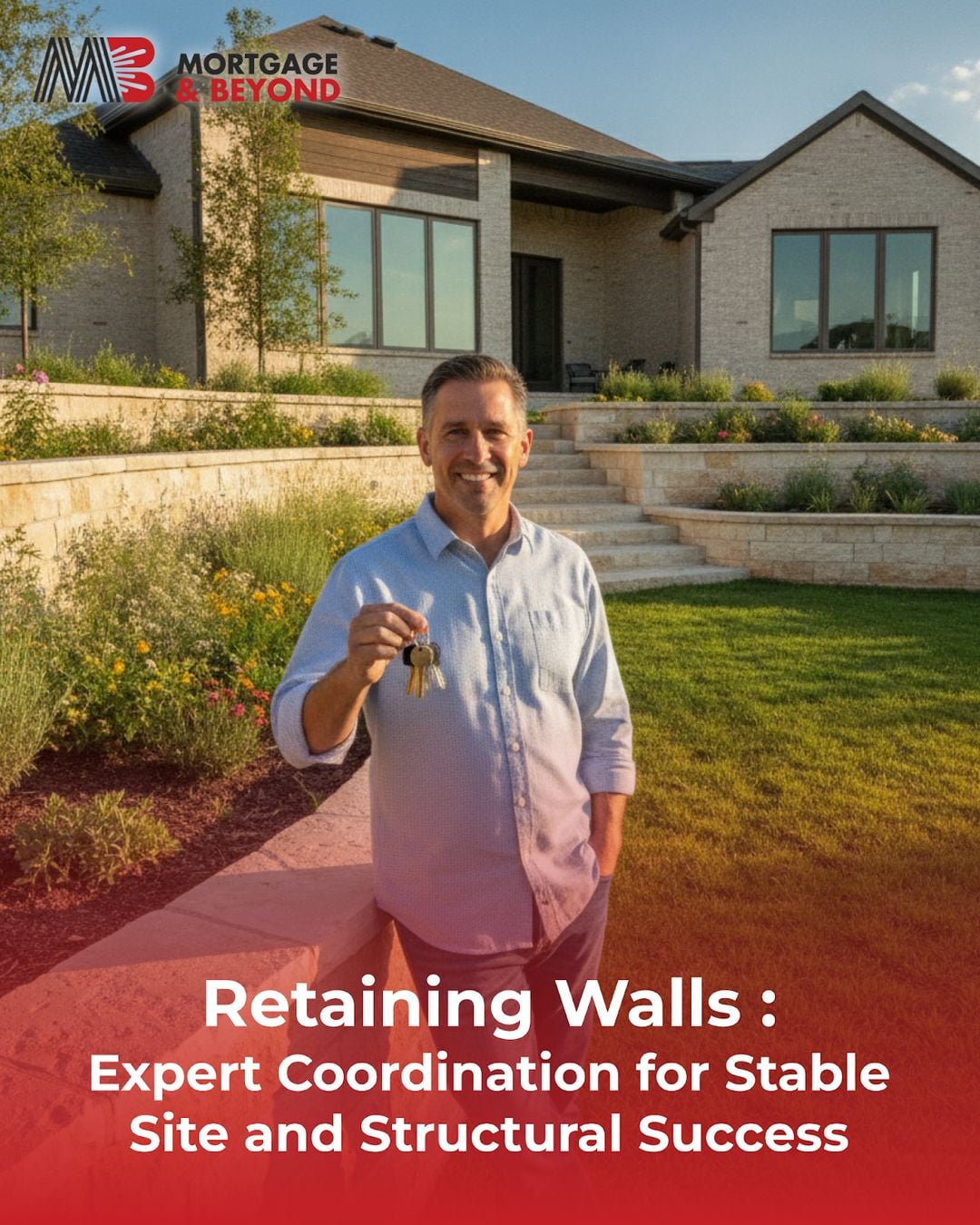

Retaining Walls: Expert Coordination for Stable Site and Structural Success
Retaining walls play a crucial role in construction and landscaping, helping to manage sloped terrains and prevent soil erosion. These structures are not just about aesthetics; they are about safety and stability too. With proper planning and expert coordination, retaining walls can ensure structural success on any site.
Understanding the Role of Retaining Walls
When you look at a sloped area, it might seem tricky to manage, but that’s where retaining walls come in. They are built to hold back the soil and create level areas on uneven ground. This allows for the construction of buildings and prevents landslides during heavy rains. Additionally, retaining walls can help improve drainage and reduce water runoff, preventing damage to surrounding structures.
Without retaining walls in certain areas, the land could collapse, leading to risky situations for any structures on or near these slopes. Retaining walls ensure that homes, roads, and other structures remain on safe and solid ground.
The Challenges Without Retaining Walls
- Soil Erosion: Without the barrier of retaining walls, soil can easily wash away during rain, leading to erosion.
- Instability: Sloped areas without retaining walls are unstable and can collapse, posing safety risks.
- Water Drainage Problems: Rainwater can create puddles or flooding without proper drainage solutions provided by retaining walls.
All these problems can make it difficult for builders to construct stable homes or roads, affecting the safety and success of their projects.
How Expert Coordination Helps
Building a retaining wall might seem straightforward, but it requires careful planning and expertise. Engineers and builders work together to choose the right materials and design for the specific landscape. They’ll consider the type of soil, the slope of the land, and how much weight the wall needs to hold back. This involves:
- Site Analysis: Understanding the soil type, environmental conditions, and the area’s slope.
- Design Planning: Creating a design that considers aesthetics and practical needs like drainage.
- Material Selection: Choosing between concrete, stone, or other materials based on the wall’s purpose and location.
- Installation: Experts carefully build the wall to ensure it’s strong and long-lasting.
Experts understand that each site and project is different, so they use their skills to make sure the wall fits the specific needs of the land.
The Benefits of Retaining Walls
Retaining walls offer numerous advantages that contribute to the success of any construction project:
- Stability: They prevent landslides and soil erosion, ensuring a safe and stable base for construction.
- Space Maximization: By creating flat areas, retaining walls make use of otherwise unusable land.
- Improved Drainage: Properly designed walls help manage water flow and prevent flooding.
- Aesthetic Appeal: With a range of materials and designs, retaining walls can enhance the look of a property or garden.
All these benefits are particularly important in areas with varying terrain, like Texas, where retaining walls can make a significant difference in the success of a building project.
Why Expert Help is Essential
Building a retaining wall might seem like a DIY project, but it’s vital to involve experts. Here’s why:
- Technical Expertise: Professionals understand the complexities of construction and ensure the wall’s design is suitable for the site.
- Quality Materials: Experts have access to the best materials, guaranteeing durability and strength.
- Safety Assurances: Professionals ensure that safety standards and regulations are met, protecting both builders and future occupants.
Working with experts not only saves time and effort but also ensures the success and longevity of the wall and the overall construction project.
Conclusion
Retaining walls are key to ensuring stability and success in any construction project. By preventing soil erosion and creating level surfaces, these walls help manage challenging terrains. With expert planning and construction, retaining walls can transform a difficult site into a safe and usable area, ensuring that buildings and landscapes stand strong and stable for years to come.
For home builders in Texas, partnering with experts for retaining wall coordination can make all the difference, providing peace of mind and contributing to the overall success of their projects. So next time you’re faced with challenging slopes or tricky terrain, remember the power of well-planned retaining walls.