
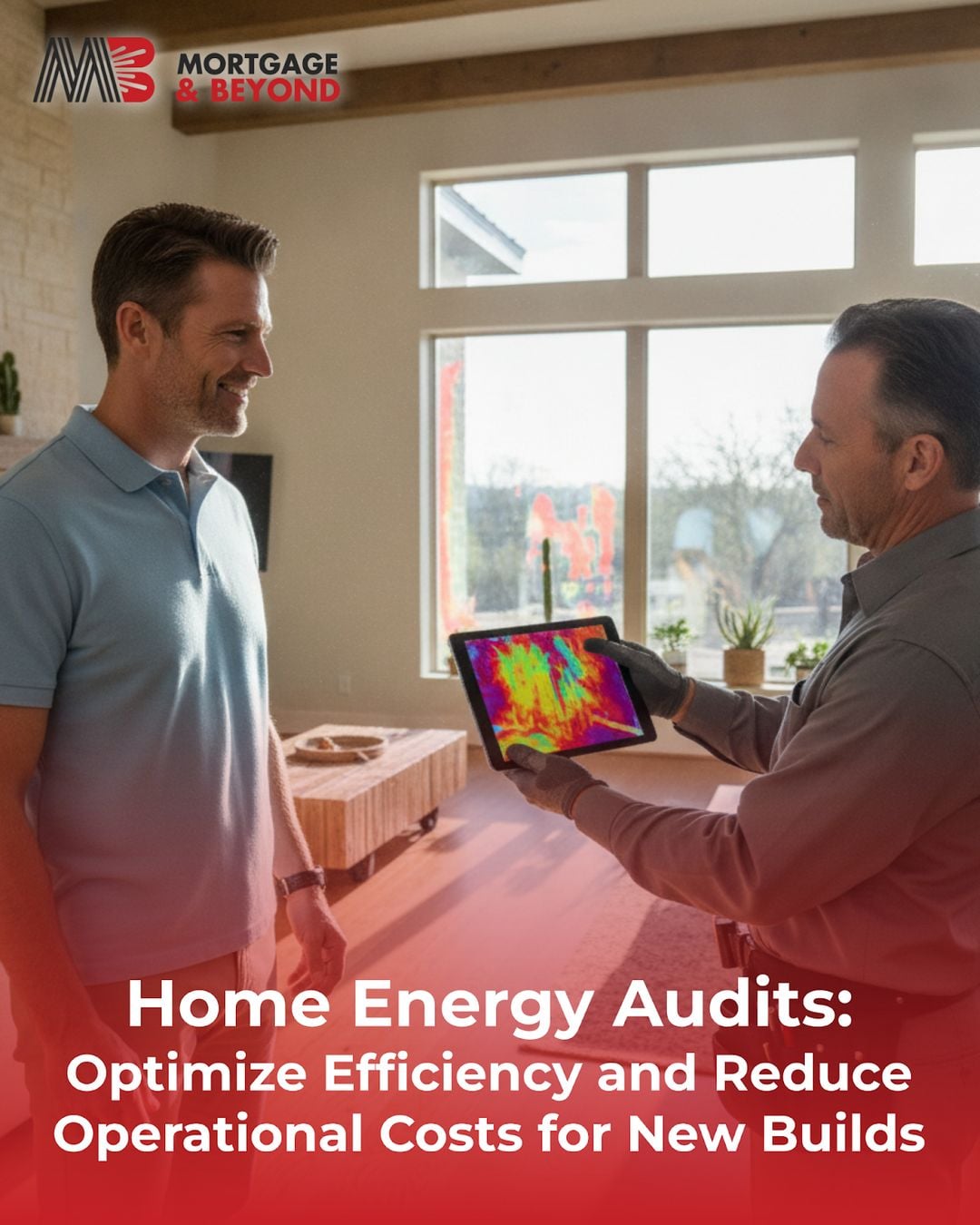

Home Energy Audits: Optimize Efficiency and Reduce Operational Costs for New Builds
Home energy audits are a smart way for new home builders in Texas to make sure their projects are both efficient and cost-effective. Builders face many challenges, and reducing operational costs while maintaining quality is a big goal. A home energy audit helps detect areas where energy use can be improved, which leads to savings and a smaller environmental footprint.
Understanding Home Energy Audits
A home energy audit is like a check-up for your house’s energy use. It helps identify where energy is being wasted and suggests ways to fix these issues. Imagine having a superpower that allows you to see energy sneaking away from your home—this is what an audit practically reveals to homeowners and builders.
During the audit, professionals use special tools to check things like insulation, heating and cooling systems, windows, and doors. These checks can point out drafty places and equipment that uses too much energy. Getting an audit can be an eye-opener for builders as it shows how to use energy more wisely.
Challenges Faced Without an Audit
High Energy Costs
Without a proper audit, homes might end up consuming more energy than needed. This leads to higher utility bills, which can cut into a homeowner’s or builder’s budget. For builders, constructing homes with high energy costs might make them less attractive to potential buyers who are increasingly looking for energy-efficient options.
Environmental Impact
Using more energy than necessary also has a negative impact on the environment. It’s important for new builds to meet modern standards that focus on reducing carbon footprints. Builders who don’t make energy efficiency a priority may face difficulties in meeting these essential goals.
Decreased Property Value
Homes that aren’t energy-efficient may have a lower market value. Buyers are getting smarter and often look for homes they won’t have to spend more money on just to make energy efficient. Missing out on energy audits can mean a missed opportunity to boost a property’s value.
How Energy Audits Help New Builds
Detailed Insights
Energy audits provide a detailed understanding of a home’s energy use. Builders can use these insights to make decisions that boost energy efficiency. This information is useful in tailoring homes to be cost-effective while also offering better comfort to future homeowners.
Recommendations for Improvements
An audit doesn’t just point out problems; it also gives recommendations for solutions. Suggestions might include upgrading insulation, sealing leaks, or using energy-efficient appliances. Builders can follow these tips to make homes that are both green and competitive in the market.
Cost Savings
Implementing the changes suggested in an energy audit can lead to significant savings. Builders can cut down on unnecessary expenses, allowing them to allocate resources to other areas of a project. Homeowners also enjoy these savings through reduced utility bills.
Steps in Conducting a Home Energy Audit
- Preliminary Assessment: A basic inspection of the home’s exterior and interior to identify obvious energy drains.
- Professional Assessment: Hiring professionals who use advanced tools to analyze the home’s energy use in detail.
- Data Collection: Measuring energy use and inefficiencies around the home such as gaps in windows or doors.
- Analysis: Reviewing the collected data to pinpoint key areas where energy efficiency can be improved.
- Report & Recommendations: Receiving a comprehensive report that outlines areas of improvement and potential solutions.
- Implementation: Taking steps to make the recommended changes to optimize energy use.
Why Energy-Efficient Homes Matter to Buyers
More and more potential homebuyers are concerned about energy efficiency. They look for homes that will be comfortable and sustainable over a long period. Offering energy-efficient homes gives builders a competitive edge, making their projects more appealing in the real estate market.
For buyers, energy-efficient homes mean lower living costs in the form of reduced utility bills and maintenance costs. They also contribute to a more sustainable future, making it a choice that benefits both the planet and their wallets.
Local Texas Incentives for Energy Efficiency
In Texas, there are rewards for builders who make energy-efficient homes. These can include tax credits, rebates, and special programs designed to support the move towards sustainable building practices. Builders can take advantage of these incentives to offset costs and increase the appeal of energy-efficient homes.
- Tax Credits: Offset the initial costs of energy-efficient equipment and materials.
- Utility Rebates: Offered by many utility companies to builders who make energy-saving improvements.
- Efficiency Programs: State-based initiatives that provide support and recognition to builders who commit to better energy practices.
Final Thoughts on Home Energy Audits
For builders in Texas, keeping up with energy efficiency is essential for modern, cost-effective homes. Home energy audits make it easy to understand and correct energy issues, leading to happier homeowners and more successful builds. Embracing energy audits not only sets builders apart in a competitive market but also supports a commitment to creating environmentally responsible housing.
Builders looking to optimize their project’s efficiency should definitely consider making energy audits part of their routine, ensuring their homes are ready to meet the demands and expectations of the future.