
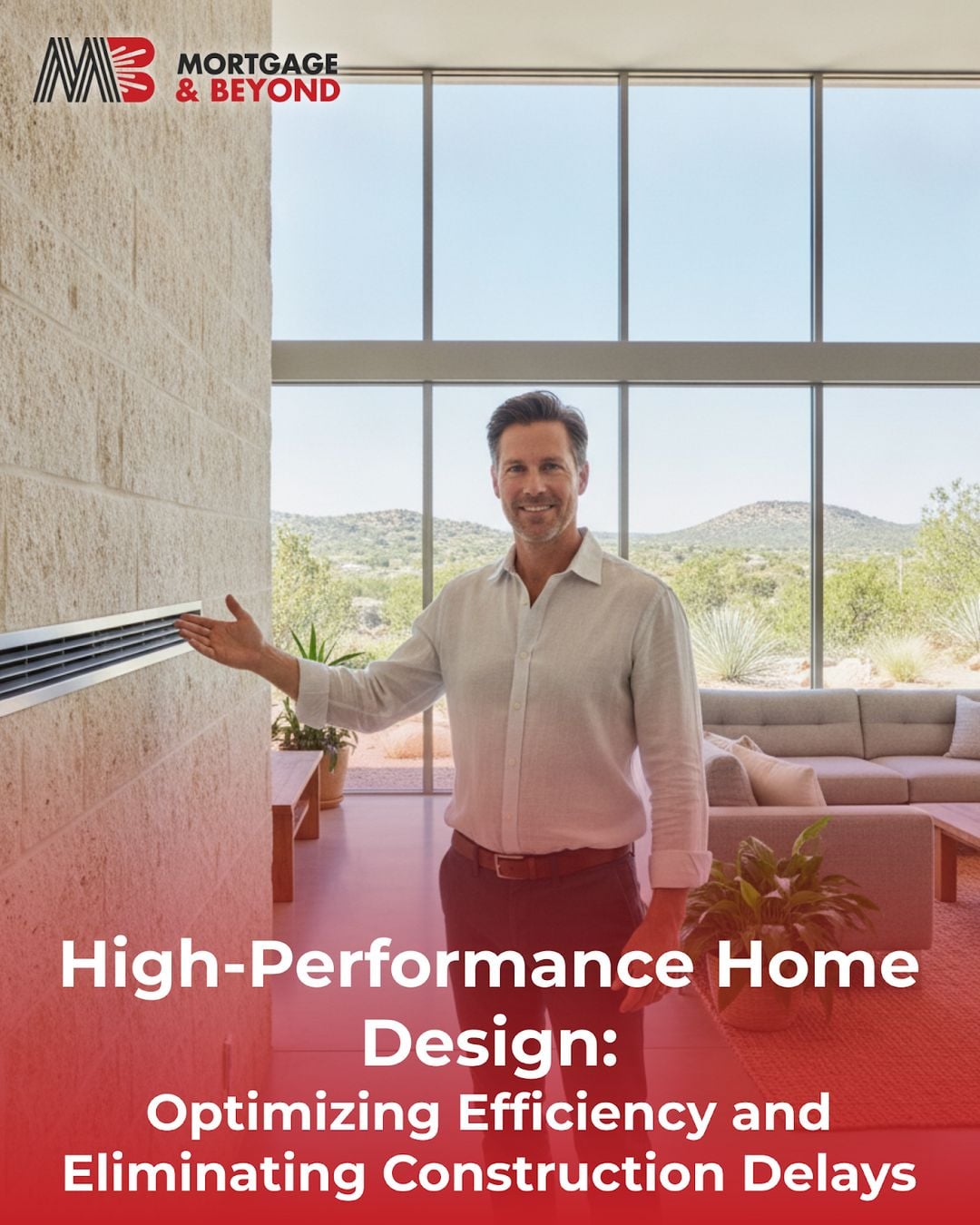

High-Performance Home Design: Optimizing Efficiency and Eliminating Construction Delays
In Texas, home builders strive to create perfect homes that are not just beautiful, but are also built to last and energy-efficient. High-performance home design combines advanced building techniques and materials to achieve this. By focusing on improving efficiency and cutting down construction delays, builders can deliver exceptional homes faster.
Challenges Faced by Home Builders
Building high-performance homes comes with its own set of challenges. These homes require precise coordination and advanced technology, making the process complex. Builders often face unpredictable weather that can delay construction schedules.
Managing costs while using high-quality materials is another big hurdle. High-performance homes often require investments in specialized materials and systems that can stretch budgets. This can be frustrating as builders strive to balance quality and cost-effectiveness.
Builders also need to address the challenge of meeting energy efficiency standards. These standards are crucial for reducing energy consumption and ensuring long-term sustainability, but can be technical and demanding to implement.
Exploring High-Performance Home Design
High-performance homes are built with a focus on energy efficiency, durability, and comfort. They use smart design elements that reduce the energy required for heating, cooling, and lighting.
Some key features of high-performance design include:
- High-Quality Insulation: Keeps the home warm in winter and cool in summer.
- Air Sealing: Prevents air leaks and helps maintain indoor temperatures efficiently.
- Energy-Efficient Windows: Reduce heat loss while maximizing natural light.
- Efficient HVAC Systems: Ensure optimal heating, ventilation, and air conditioning with minimal energy use.
By incorporating these elements, builders can improve the energy efficiency of the home, resulting in lower utility bills for homeowners and a smaller environmental footprint.
The Importance of Smart Planning
Effective planning is crucial for optimizing construction efficiency and minimizing delays. A well-prepared project plan details every step of the construction process, from design to completion.
Builders should prioritize:
- Setting clear project milestones to keep the construction on schedule.
- Coordinating with all subcontractors to ensure smooth workflow.
- Using project management software to track progress and communicate effectively with the team.
Smart planning also involves anticipating potential challenges and devising strategies to mitigate risks, such as scheduling flexibility to account for unexpected weather conditions.
Technological Innovations in Home Building
Technology plays a significant role in enhancing the efficiency of high-performance home design. Advanced tools and techniques enable builders to achieve precision and quality in construction.
Some examples include:
- 3D Modeling Software: Helps architects visualize the design and make adjustments before construction begins.
- High-Tech Construction Equipment: Speeds up the building process and ensures accuracy.
- Building Information Modeling (BIM): Integrates data sharing and collaboration among all stakeholders.
By leveraging these technologies, builders can optimize resources, reduce waste, and improve overall project efficiency.
Building Partnerships for Success
Strong partnerships are vital in the home building industry. Working with reliable suppliers and subcontractors helps ensure that the right materials and expertise are available when needed.
Building partnerships with:
- Material Suppliers: Ensures timely delivery of high-quality materials.
- Subcontractors: Provides specialized skills required for complex installations.
- Community Organizations: Helps builders understand local preferences and regulations.
These relationships foster trust and cooperation, which are essential for delivering successful projects on time and within budget.
The Benefits of High-Performance Home Design
High-performance homes offer numerous benefits to both builders and homeowners. They provide a more comfortable living environment, with consistent indoor temperatures and reduced noise pollution.
Other significant benefits include:
- Lower Energy Costs: Efficient systems reduce monthly utility expenses.
- Environmental Sustainability: Decreased energy consumption helps protect natural resources.
- Enhanced Durability: Homes built with quality materials last longer and require fewer repairs.
Overall, these homes add value to the community by promoting green building practices and inspiring others to prioritize sustainability.
Conclusion: The Path Forward for Texas Home Builders
High-performance home design represents the future of the building industry in Texas. By focusing on efficiency, utilizing cutting-edge technologies, and building strong partnerships, home builders can overcome the challenges of construction delays and deliver exceptional homes.
As Mortgage & Beyond guides Texans on their homeownership journey, embracing innovative design and construction strategies will be key to achieving financial freedom and sustainable living.
By unlocking these solutions, builders and homeowners alike can enjoy the many advantages of high-performance homes while contributing to a better environment.