
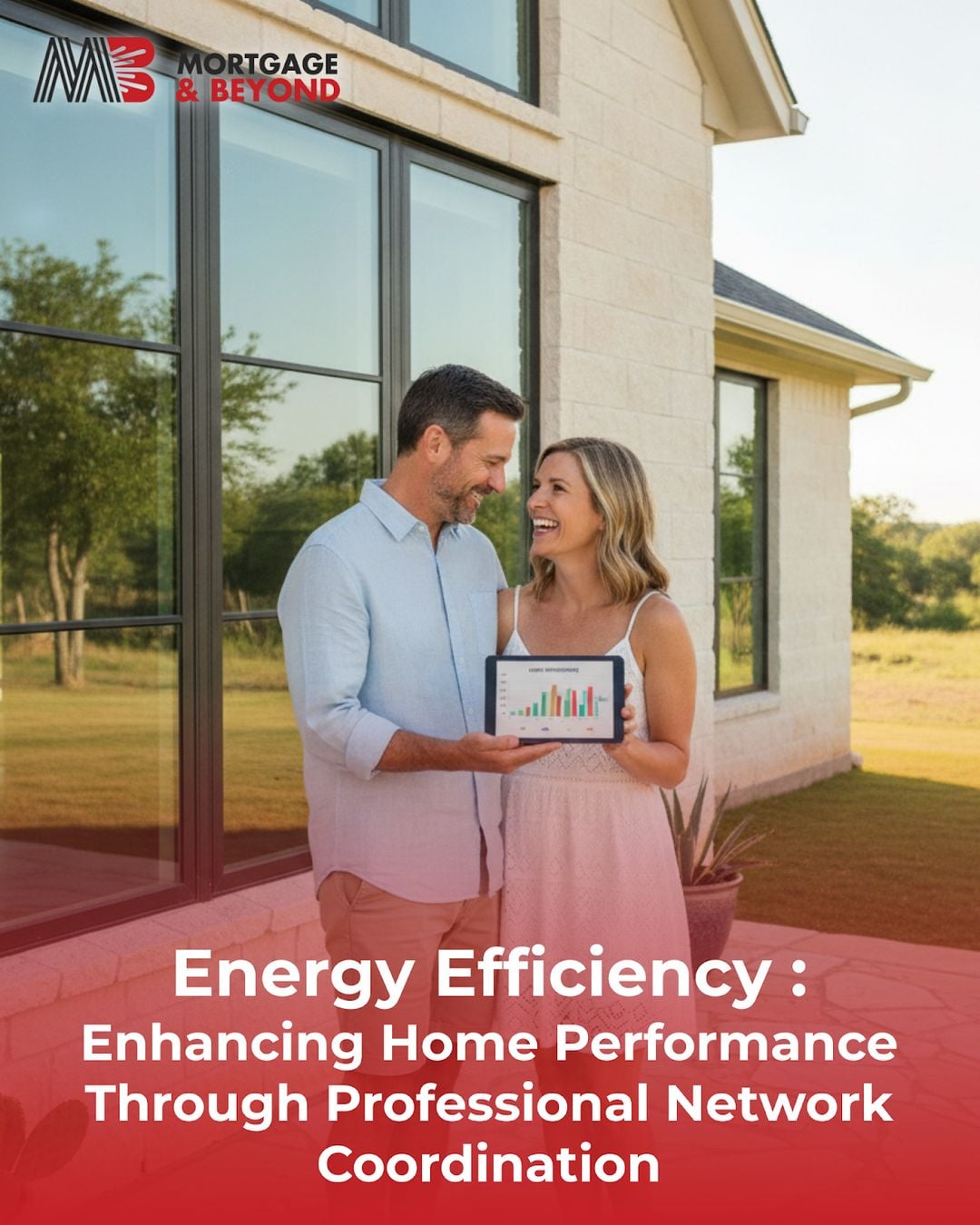

Energy Efficiency: Enhancing Home Performance Through Professional Network Coordination
With ever-increasing energy bills and environmental challenges, homeowners and home builders are looking for ways to make homes more energy-efficient. One promising method is enhancing home performance through professional network coordination. This approach involves experts working together to boost how energy-efficient homes can be.
Professional network coordination means different professionals, like builders, designers, and energy experts, join forces to create the best energy-saving homes possible. It’s like a team pulling together to win a championship game! Let’s dive into how this works and why it’s important for both new homes and existing ones.
Understanding Energy Efficiency in Homes
Energy efficiency in homes is about using less energy to do the same amount of work. Imagine a bike that lets you ride faster but requires less energy to pedal. That’s what energy-efficient homes do—they help you use less energy for heating, cooling, and lighting, saving money and protecting the environment.
- Lower Bills: Energy-efficient homes reduce electricity and heating bills, leaving you with more money to spend on fun activities.
- Less Pollution: Using less energy means less pollution, which helps keep the air clean and nature happy.
- Comfortable Living: These homes maintain comfortable temperatures all year round without needing much energy.
Challenges Faced Without Coordination
Without coordination, energy efficiency projects can run into several issues. Imagine trying to assemble a puzzle without all the pieces. That’s what can happen if builders and designers aren’t on the same page.
- Lack of Communication: Without proper coordination, teams might not communicate well, leading to mistakes or oversights.
- Wasted Resources: Incorrect planning can result in wasted time and materials, affecting the budget and timeline.
- Inconsistent Results: Uncoordinated efforts may lead to homes that don’t fully achieve their energy efficiency potential.
How Professional Network Coordination Works
Professional network coordination is all about teamwork. It involves experts from different fields collaborating to plan, design, and build energy-efficient homes. Here’s how they work together:
Consultation and Planning
It starts with a meeting of minds. Builders, architects, and energy experts gather to discuss goals and design ideas. They decide the best materials, technologies, and designs to use for maximum energy efficiency.
Design and Implementation
Once the plan is set, architects design the home, incorporating features like better insulation, energy-efficient windows, and solar panels. Builders then bring these designs to life, ensuring each element is installed properly.
Evaluation and Optimization
After the home is built, energy experts evaluate its performance. They use tools and technology to monitor energy usage and identify areas for improvement. If something isn’t as efficient as planned, adjustments are made.
Benefits of Network Coordination
Coordinating efforts among professionals offers numerous benefits that make energy-efficient homes more achievable and effective. Let’s explore them:
- Increased Efficiency: With everyone on the same page, homes are built to maximize energy savings right from the start.
- Cost Savings: Coordinated projects often come under budget because they avoid excess costs and ensure effective use of resources.
- Improved Innovation: With professionals working together, new and better solutions for energy problems are often developed, pushing the boundaries of what’s possible.
Technology and Tools in Energy Efficiency
There’s plenty of tech and tools available to help improve energy efficiency in homes. Here’s a look at some cool options:
Smart Home Devices
Devices like smart thermostats can learn your schedule and adjust temperatures automatically, saving energy while keeping your home comfortable.
Solar Panels
Solar panels offer a clean, renewable energy source. They can power your home using sunlight, reducing reliance on traditional electricity.
High-Efficiency Appliances
Using appliances with Energy Star ratings or similar credentials can significantly cut down energy usage. They’re designed to do the same tasks using less power.
How Home Builders Can Benefit
Home builders in Texas can gain a lot from adopting professional network coordination:
- Competitive Edge: Offering energy-efficient homes can set builders apart from the competition, attracting more buyers.
- Increased Demand: As more homeowners prioritize energy efficiency, builders who deliver these homes will likely see increased business.
- Positive Impact: Participating in environmental conservation by building greener homes is not only beneficial but fulfilling as well.
Taking Action Towards Energy Efficiency
For home builders in Texas eager to implement energy-efficient solutions, here are some steps to get started:
- Build Your Network: Establish connections with architects, energy consultants, and tech experts to create a reliable professional circle.
- Educate Your Team: Provide training and resources to ensure everyone understands energy-efficient practices and technologies.
- Leverage Incentives: Explore government and local incentives for building energy-efficient homes and pass these benefits to your clients.
- Engage the Community: Host workshops or info sessions to educate potential clients about the benefits of energy efficiency.
The Path Forward
Energy efficiency isn’t just a trend; it’s a necessity for a sustainable future. By improving home performance through professional network coordination, builders can create homes that are better for people and the planet. It’s like building a brighter future, one home at a time.
Whether you’re building a new neighborhood or upgrading existing homes, adopting these collaborative practices can place you at the forefront of energy innovation. So gather your team, buckle down, and let’s make Texas homes as efficient as they can be!