
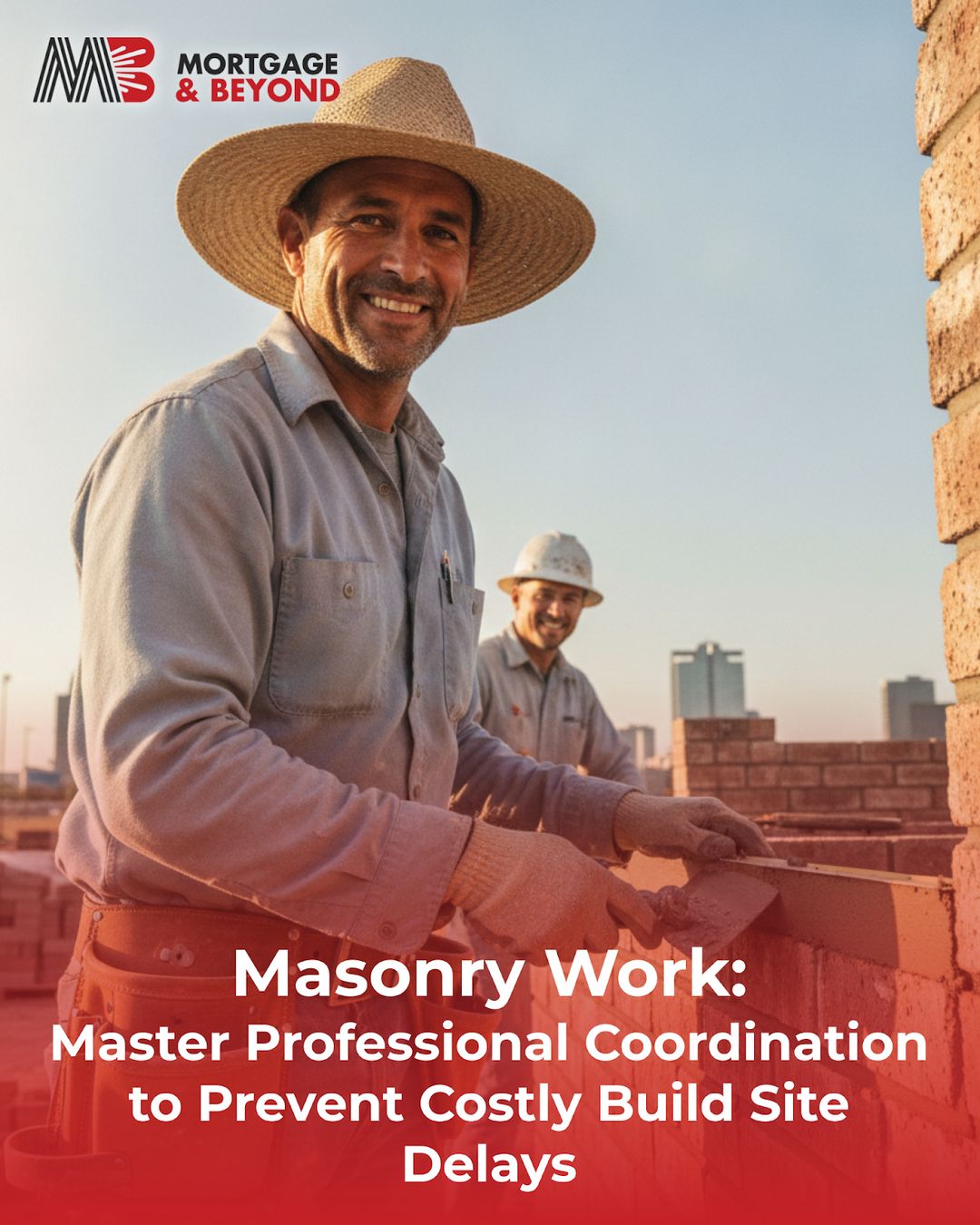

Masonry Work: Master Professional Coordination to Prevent Costly Build Site Delays
Masonry work involves the construction of structures using materials like brick, stone, or concrete blocks. It’s an essential part of building homes and other structures. Proper coordination during masonry can prevent delays that might increase costs for home builders.
For home builders in Texas, understanding masonry work is crucial. This ensures that buildings are safe and sturdy. It also helps in completing projects on time and within budget.
Understanding Masonry and Its Importance
Masonry is all about stacking and bonding bricks, stones, or blocks together. These materials are held in place with a binding substance known as mortar. When done correctly, masonry work adds beauty and strength to a building.
However, improper masonry can lead to problems. Poor workmanship might cause walls to crack or collapse. This leads to repairs, costing more time and money. That’s why proper training and skills are essential in masonry work.
Masonry also plays a role in energy efficiency. Properly built walls help keep homes warm in winter and cool in summer. This is important in Texas, where the climate can be extreme. A well-built home is comfortable and lowers electricity bills.
Challenges Faced Without Proper Coordination
Without professional coordination, masonry work can lead to big headaches. Builders might face several obstacles:
- Accidental delays: These can happen if materials arrive late or if the weather stops work.
- Mistakes in construction: Workers might not follow plans closely, leading to errors.
- Resource mismanagement: Using too many or too few materials can increase costs.
These issues slow down building projects. Home builders in Texas may find themselves spending more money and time than they planned. This is frustrating for builders and future homeowners waiting for their house to be completed.
Strategies for Effective Masonry Coordination
Avoiding delays requires smart planning and well-coordinated execution. Here are some strategies to ensure your masonry project runs smoothly:
- Planning before starting: Good planning includes understanding the project scope, budget, and timeline. This helps identify any potential challenges early on.
- Experienced team: Choosing skilled masons with knowledge of local building codes ensures quality work.
- Timely delivery of materials: Working with reliable suppliers who provide timely deliveries ensures the work doesn’t stop due to a lack of materials.
- Weather considerations: Keeping an eye on weather forecasts helps in scheduling work. Rain can disrupt masonry work, so planning around wet days is crucial.
Importance of Communication
Maintaining clear communication among builders, masons, and suppliers is crucial. Everyone needs to understand the project plans and expectations. Miscommunication can lead to delays and errors.
- Regular meetings: Regularly scheduled meetings keep everyone on the same page.
- Updates and feedback: Sharing updates and getting feedback prevents misunderstandings.
- Document sharing tools: Using apps to share project plans and status helps all team members stay informed.
Clear communication reduces errors and speeds up work, avoiding needless delays.
Leveraging Technology and Automation
Technology can also play a significant role in preventing delays in masonry work. Automated tools and digital platforms enhance efficiency.
- Project management software: These tools help builders track progress and manage resources. With everyone accessing the same data, confusion is minimized.
- Drones and GPS: These technologies can aid in site surveys to identify potential issues early.
- Design tools: Advanced software for designing wall patterns and structures ensures precise calculations before actual building work begins.
By incorporating these technologies, builders streamline operations. This minimizes human error and optimizes coordination, keeping projects on schedule.
Investing in Skilled Labor
No amount of planning or technology can replace skilled labor in masonry work. Investing in training and development improves skills and ensures high-quality craftsmanship.
- Training programs: Regular training for workers on new techniques and technologies keeps the team updated.
- Apprenticeship opportunities: Offering apprenticeships provides hands-on experience for upcoming masons, building a supportive labor pipeline.
- Certification courses: Courses that certify skills add credibility and trust in a worker’s ability to do the job well.
Having skilled and knowledgeable workers on site guarantees quality and efficiency. This reduces delays and ultimately saves costs.
Conclusion
For home builders in Texas, masonry work is a critical part of construction projects. Efficient coordination in masonry not only prevents delays but also ensures the success of the entire building process. By using strategic planning, clear communication, advanced technology, and skilled labor, builders can achieve top-quality masonry work, saving time and money while delivering projects smoothly.
This focus on quality and efficiency aligns with the core values of the industry: providing trust, transparency, and excellence in building strong, sustainable homes for Texans.