
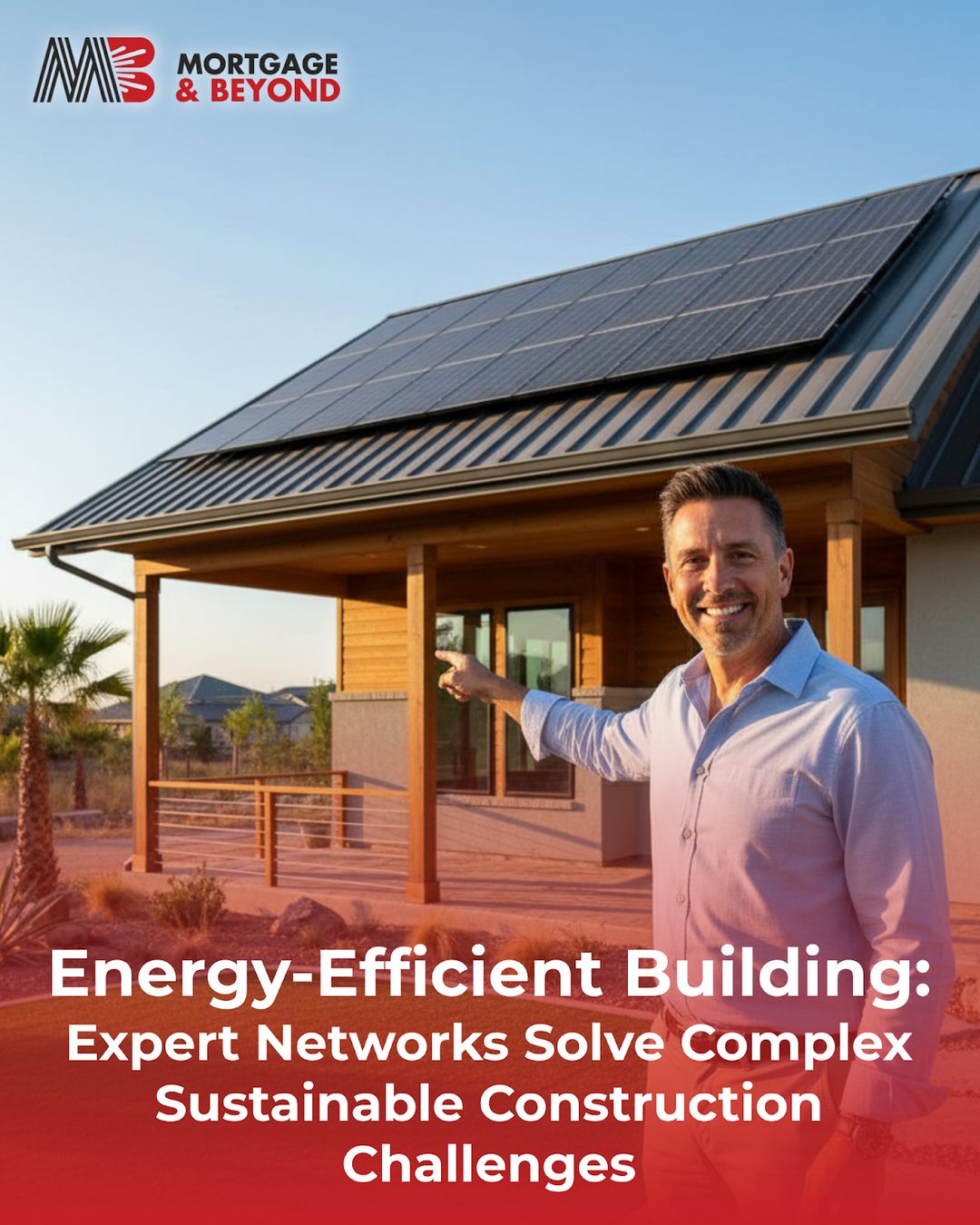

Energy-Efficient Building: Expert Networks Solve Complex Sustainable Construction Challenges
Building energy-efficient homes is a big deal, especially in Texas. It’s about making houses that are kind to the planet and save homeowners money. Expert networks are crucial to overcoming the challenges faced in creating these sustainable buildings. They bring together different professionals who specialize in things like energy use and smart construction methods to come up with the best solutions.
Understanding Energy-Efficient Buildings
Energy-efficient buildings use less energy and resources than traditional buildings. These buildings are designed to reduce their need for heating, cooling, and electricity, saving both money and the environment. Imagine your home having windows that keep the heat out in summer but let the warm sun in during winter.
There are many parts to building energy-efficient homes, and each part plays a critical role:
- Insulation: Keeps homes warm in winter and cool in summer.
- Windows and doors: Prevent unwanted air from entering or escaping.
- Lighting: Uses LED or other energy-saving bulbs to reduce electricity use.
- Appliances: Employs energy-efficient devices that use less power.
Each of these components must work in harmony to maximize energy savings, reduce bills, and keep the home comfortable year-round.
The Challenges in Building Energy-Efficient Homes
Moving towards energy-efficient buildings isn’t always straightforward. Builders face several complex challenges when aiming for sustainability. For one, there’s the issue of cost. A common belief is that building green is expensive, as initial costs for materials and technology can be higher.
Another hurdle is the need for specialized knowledge and skills. Builders have to understand various materials, technologies, and techniques to make green buildings successful. Plus, they must comply with environmental laws and standards, which can add an extra layer of difficulty.
Finally, the unpredictable Texas climate presents a unique challenge. Hot summers and mild winters mean that homes need to be particularly good at controlling temperature to be truly energy-efficient.
The Role of Expert Networks
The good news is that expert networks provide solutions to many of these challenges. These networks comprise professionals from various fields who work together to share knowledge, resources, and strategies. They help bridge the gap between traditional building methods and modern energy-efficient construction.
How Expert Networks Help
- Knowledge Sharing: Experts share their knowledge on cutting-edge technologies and sustainable materials.
- Collaboration: Different professionals, including architects, engineers, and environmentalists, brainstorm together to solve specific challenges.
- Best Practices: They identify and promote the best practices in energy-efficient construction.
- Problem Solving: Tackling environmental standards and laws by devising compliant construction plans.
By combining their expertise, these professionals can develop innovative, cost-effective solutions that make energy-efficient construction more feasible.
Benefits of Energy-Efficient Buildings
So why go through all this effort to build energy-efficient homes? There are several benefits:
- Reduced Energy Bills: Energy-efficient homes consume less energy and help homeowners save on electricity and heating costs.
- Environmental Impact: By using fewer resources, these buildings significantly lower their carbon footprint.
- Enhanced Comfort: Better temperature regulation leads to more comfortable living spaces.
- Higher Resale Value: Energy-efficient homes are often more appealing to buyers.
These benefits not only improve individual households but also contribute positively to the community and environment at large.
Getting Started with Energy-Efficient Construction
For home builders in Texas, it’s crucial to harness the power of expert networks to build better, more energy-efficient homes. Here are a few steps to get started:
Step 1: Connect with Experts
Join networks or groups dedicated to sustainable construction. These can be local or global online communities.
Step 2: Stay Informed
Keep up-to-date with the latest advancements in energy-efficient technologies and methods, attending workshops and seminars when possible.
Step 3: Collaborate
Work closely with other professionals in the field to develop shared strategies and solutions.
Step 4: Implement Best Practices
Use the shared knowledge to apply best practices in your projects, ensuring compliance with energy standards.
By integrating these steps into your business model, you can play a pivotal role in promoting sustainability and energy efficiency in the construction industry.
The Future of Energy-Efficient Buildings
As more people recognize the importance of sustainability, the push towards energy-efficient buildings will continue to grow. Expert networks will remain a vital resource by guiding, supporting, and inspiring builders to adopt greener practices.
By taking these steps and getting involved with expert networks, home builders in Texas can lead the way in creating buildings that are not only efficient but also beneficial to homeowners, the community, and the environment.